

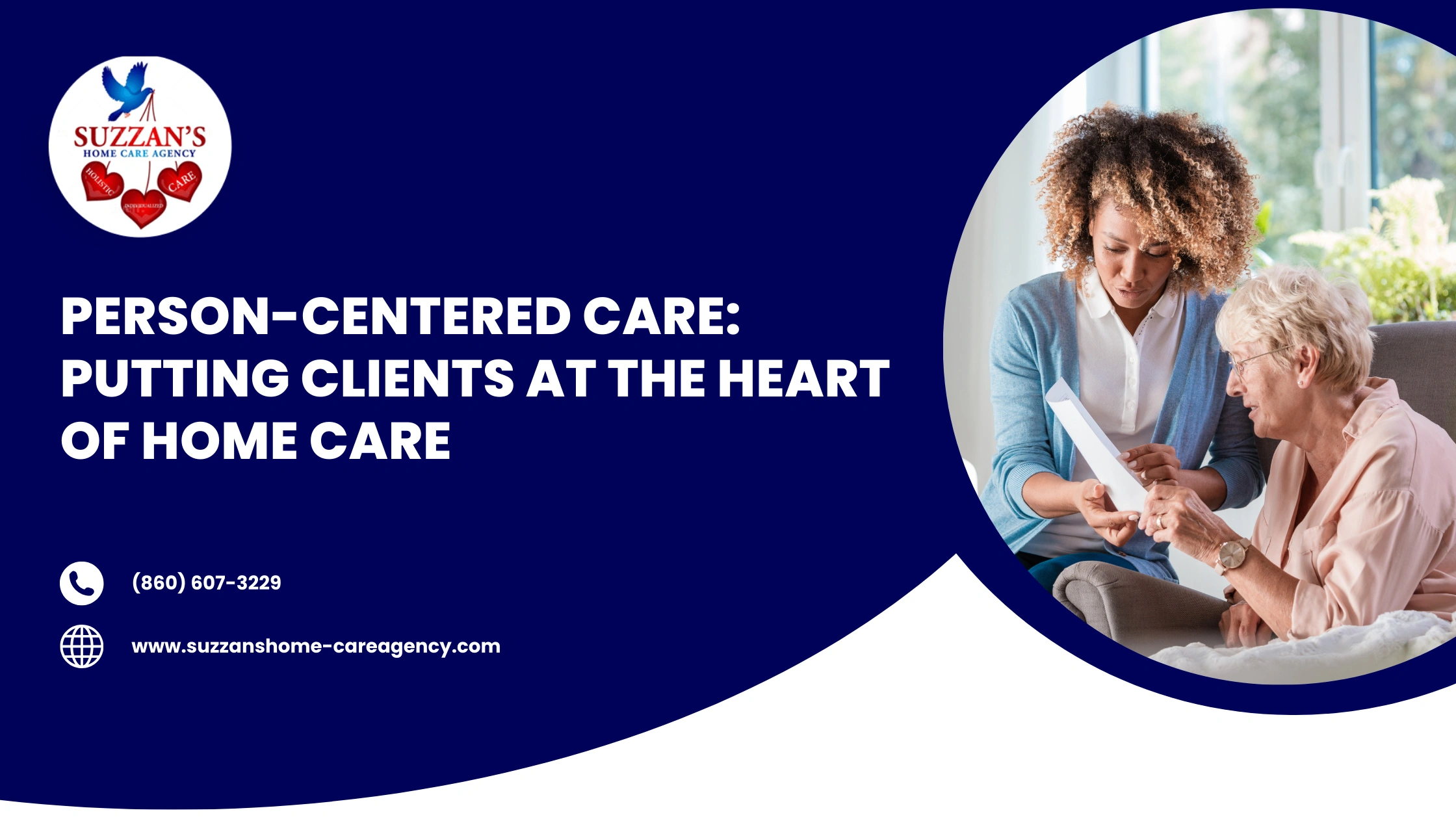
Person-centered home care services are reshaping how families in Connecticut approach in-home support. Instead of applying a single routine to every client, this approach tailors care to the individual’s goals, preferences, and comfort level.
Today, more families seek flexible care models that prioritize dignity and engagement. They want professional home care services that meet medical and personal needs without losing the human connection.
Defining the Approach Behind Personalized Home Support
This care model is built around each client’s daily routines, comfort levels, and life history. Caregivers work with the client, not just for them.
Whether it’s honoring specific habits or adjusting communication styles, person-centered home care services ensure care fits seamlessly into someone’s lifestyle. Every plan responds to the person’s rhythm, not just a list of tasks.
Why Prioritizing the Individual Improves Outcomes?
When clients participate in care planning, they stay more engaged and motivated. This is especially important for individuals managing long-term recovery, dementia, or emotional stress.
In Connecticut, many families choose professional home care providers that emphasize collaboration. When people feel heard and involved, outcomes improve, and stress decreases for both clients and families.
How Personalized Care Boosts Daily Confidence?
Day-to-day support becomes empowering when it reflects the individual’s preferences.
Personal care services help with:
- Bathing and hygiene
- Dressing assistance
- Light mobility tasks
- Medication reminders
These in-home personal care services are delivered in a way that respects privacy, dignity, and autonomy. Whether for short-term recovery or long-term assistance, care stays responsive and non-intrusive.
Maintaining Order with Household Assistance
Stability at home depends on a clean and safe environment. Homemaker services include:
- Meal preparation
- Laundry support
- Grocery assistance
- Light cleaning
Integrated into a care plan, these services support clients who live alone or are unable to safely manage household tasks. They reduce stress while creating a healthier home setting.
The Social Benefits of Engaging Companion Services
Emotional well-being plays a key role in overall health. Companion care addresses this by building social interaction into the care experience.
This service is ideal for older adults or clients recovering from surgery. It offers:
- Friendly conversation
- Shared meals or walks
- Support during appointments
- Social engagement outside the home
Whether through senior companion care or general companion home care, these services help reduce isolation and promote connection.
Supporting Cognitive Health with Intentional Strategies
For those living with memory loss, care for dementia must go beyond routine tasks. A person-centered approach includes:
- Recognizing behavioral patterns
- Using familiar objects or songs
- Maintaining consistent caregivers
- Encouraging moments of joy and clarity
This tailored support helps reduce anxiety and create a calmer, more reassuring home life.
What Clients Need During Recovery Phases?
After surgery or a hospital stay, care should ease the transition home. Post-surgical services focus on:
- Monitoring vitals and wounds
- Medication tracking
- Light physical support
- Meal assistance
These services are especially effective when paired with at-home personal care services that evolve as healing progresses.
Helping Those with Physical Limitations Thrive at Home
Recovery isn’t always temporary. Physical disability support offers dependable help while still honoring the client’s independence.
Support may include:
- Transfer and lift assistance
- Mobility aids and supervision
- Support with bathing, toileting, and dressing
This approach reduces fall risk and empowers clients to move safely in their own homes.
When Flexibility Is Key: Hourly Care Options
Not everyone needs full-day care. Hourly care lets clients or family members schedule support only when it’s needed most, for example:
- Mornings for personal care
- Midday meal prep
- Evening safety routines
- Appointments or errands
This flexible option aligns with real-life schedules and prevents unnecessary oversight.
Meeting Emotional and Behavioral Needs with Stability
Mental and behavioral health concerns require structured yet compassionate support. Psychiatric supervision includes:
- Medication compliance support
- Behavioral observations
- Emotional check-ins
- Crisis-prevention strategies
Clients benefit from consistent routines and caregivers who understand emotional triggers and stability anchors.
A Local Care Provider Families Can Rely On
Suzzan’s Home Care Agency is one of the trusted home care agencies in CT. Their services emphasize personalization, from hourly assistance to complex care needs.
They offer Connecticut companion and home care services that prioritize each client’s safety, goals, and comfort, whether through social support, recovery support, or long-term supervision.